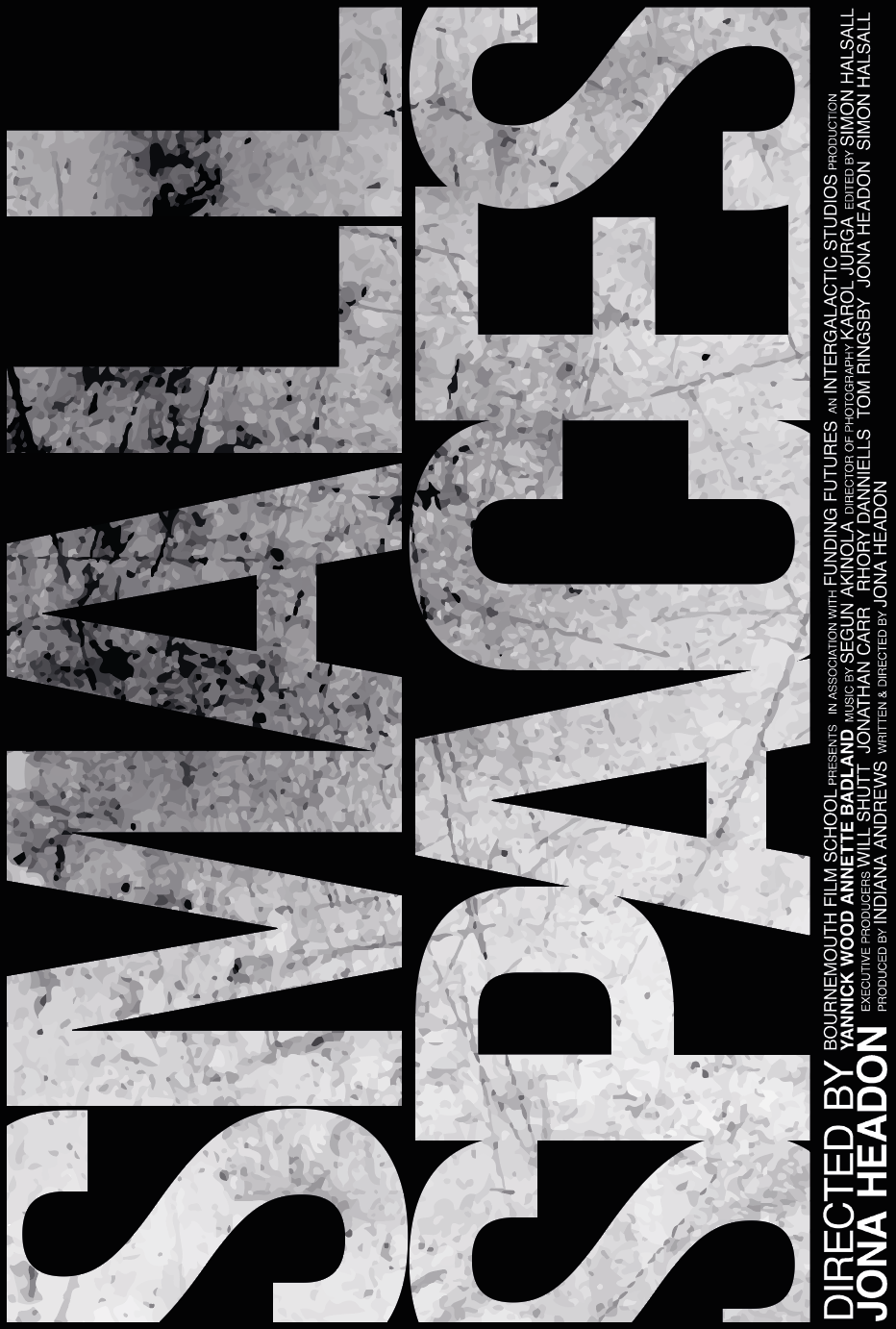
SMALL SPACES
Short Film
Release date: 2027
When an eccentric stranger promises to cure his claustrophobia, a sceptical man agrees to her treatment, only to discover that escaping his fear may cost him far more than living with it.
WRITTEN AND DIRECTED BY
Jona Headon
PRODUCED BY
Indiana Andrews
Intergalactic studios
STARRING
Yannick Wood
Annette Badland
Director’s Statement
“I’ve been down so long it looks like up to me.”
My relationship to Small Spaces comes from the idea that many of us carry unresolved childhood trauma into adulthood, often without realising how it shapes us into the people we are today.
I only became aware of this in my own life through the difficult process of confronting parts of my past I had long avoided, and recognising how those buried experiences have manifested as fear in ordinary situations. Interventions and ultimatums usually give people the push to turn things around, but what happens if you don’t have anyone on your side?
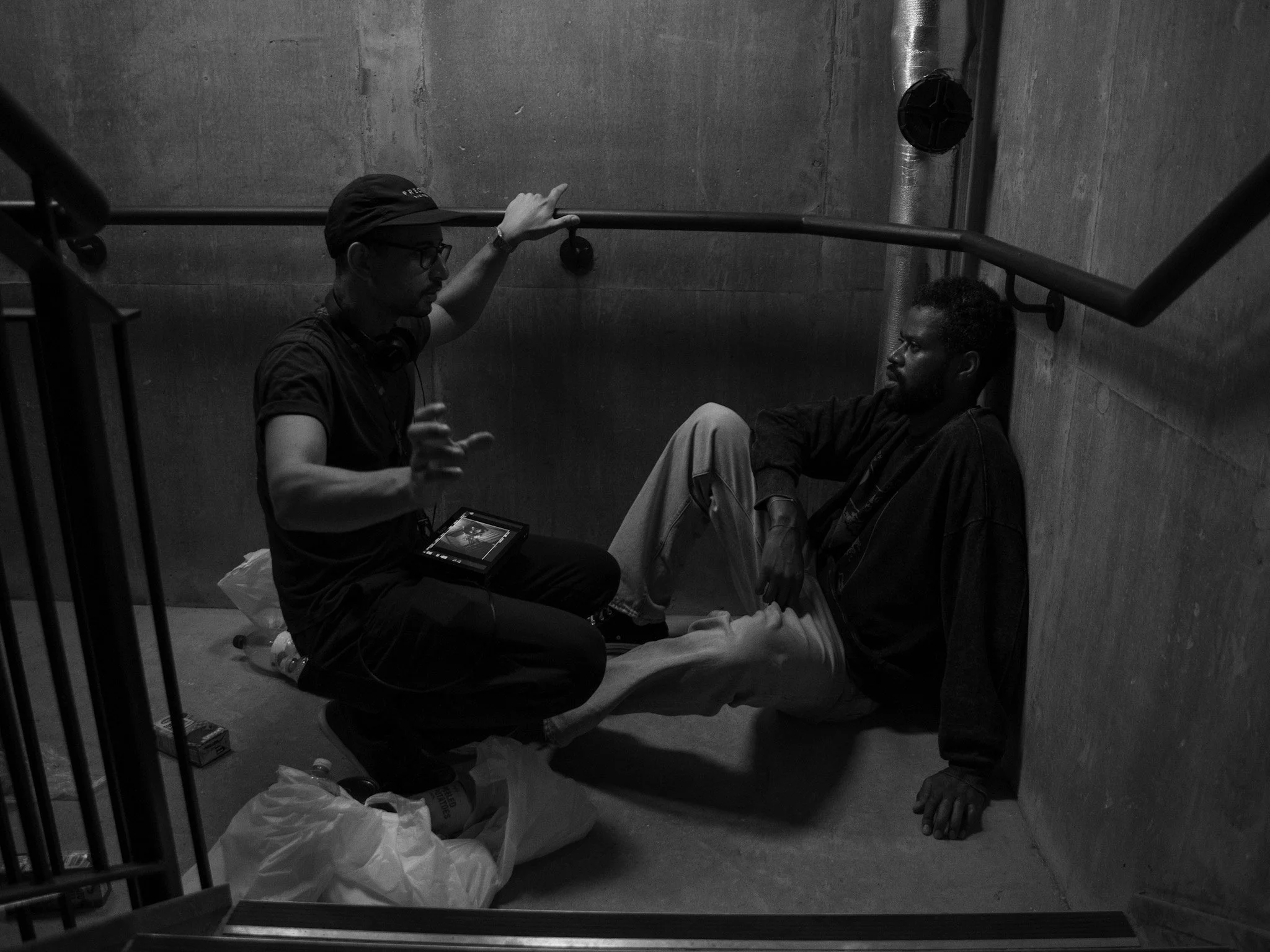
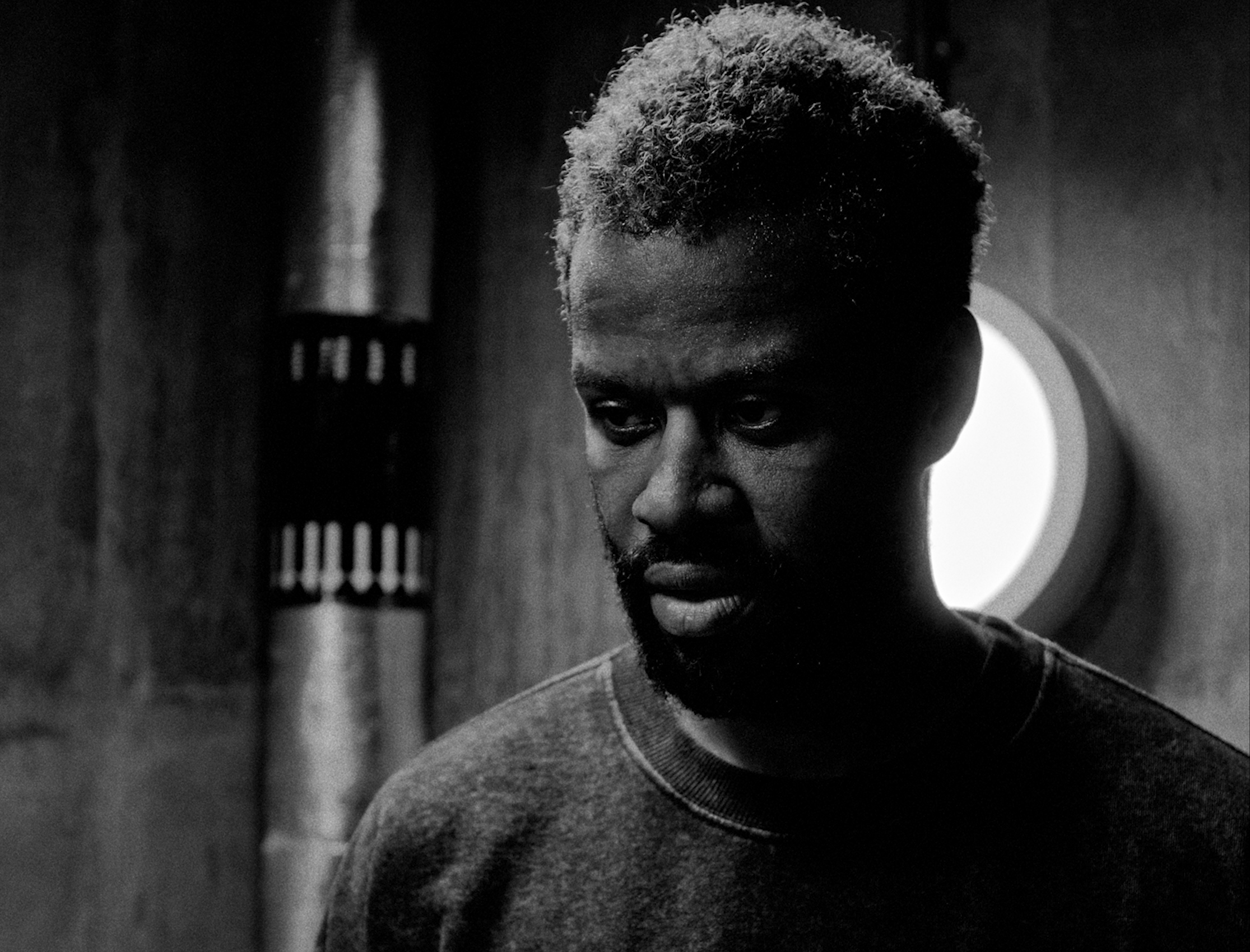
The film explores how unaddressed fears can quietly restrict a person’s world to the point where even something as simple as stepping into a lift can feel overwhelming. Claustrophobia felt like the most appropriate metaphor to convey that sense of restriction, while also serving as an effective vehicle for horror. This informed the decision to shoot in black and white, stripping away comfort (colour) and narrowing perspective (through shadow). That idea also extends to the 4:3 aspect ratio, as well as the protagonist being taller than most in any room, and therefore perceiving spaces as smaller than they are. I want the audience to feel the pain, urgency, and suffocation of someone struggling through life without understanding the cause, and therefore unable to find a way out.
I was also drawn to how liminal spaces become unsettling when you’re forced to remain inside them, and how the environment (very similar to the one I grew up in: low income, barely functional) can reflect a character’s internal state.
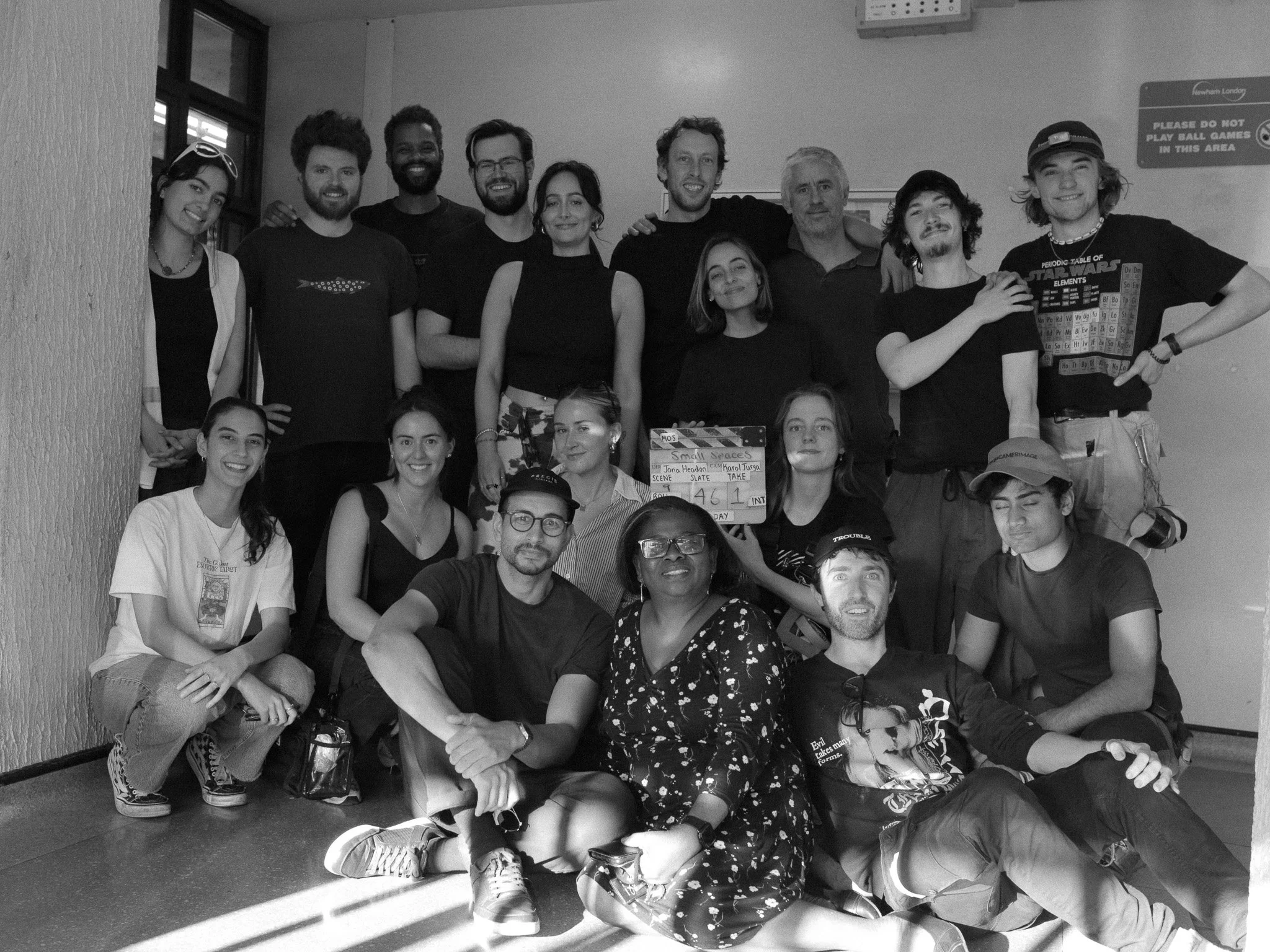
Thanks to the incredible work of my team, my directorial debut became a true artistic statement. I can proudly say the film is exactly what I wanted it to be, and even better than I expected.
Meet the Cast
-
![]()
Annette Badland
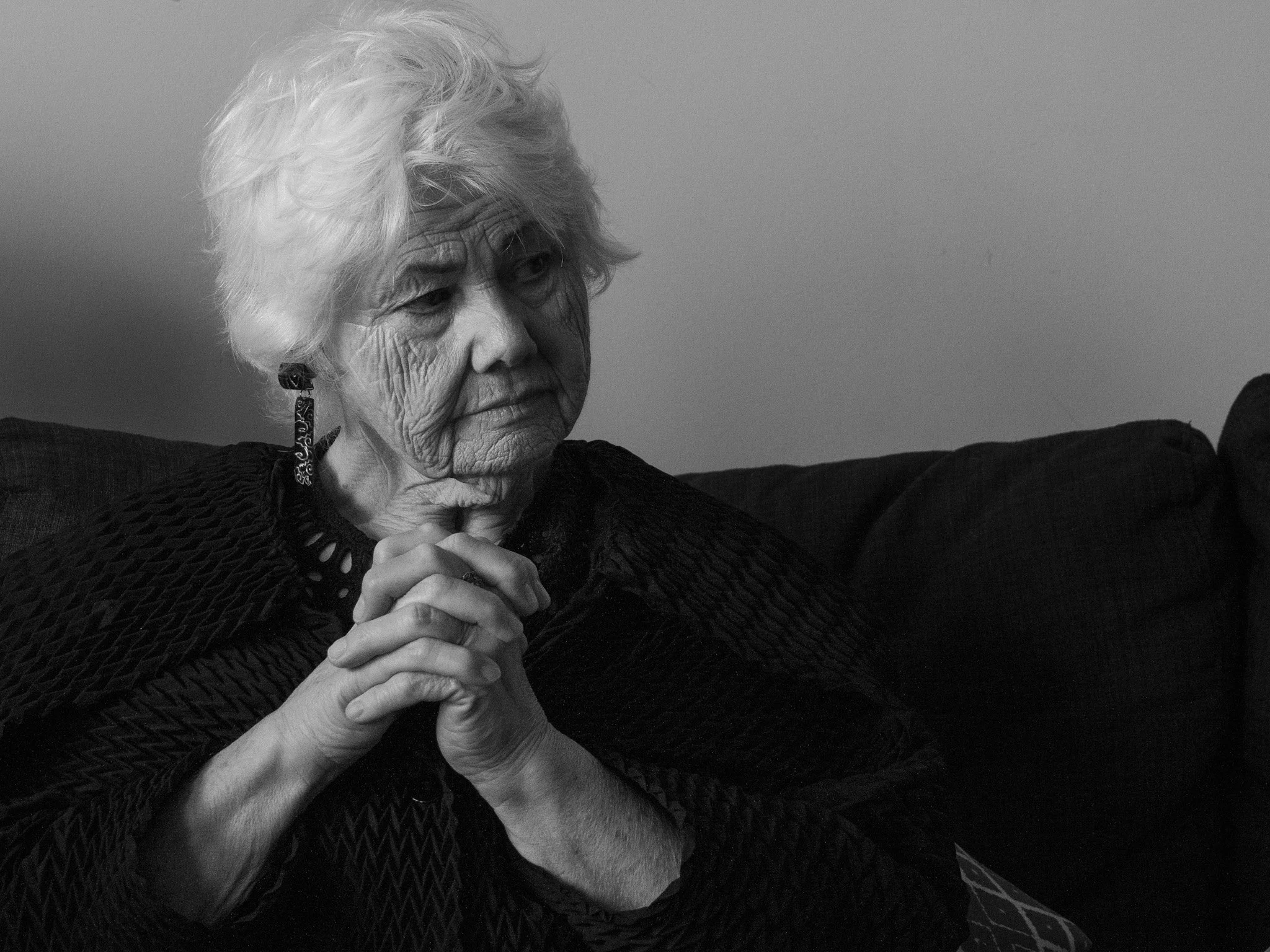
Annette Badland is an Olivier-nominated British stage and screen powerhouse with over five decades of experience. A veteran of the Royal Shakespeare Company and Shakespeare’s Globe, she is renowned internationally for roles including Margaret Blaine in Doctor Who, Mae in Ted Lasso—for which she won a Screen Actors Guild Award—Dr Fleur Perkins in Midsomer Murders, and Aunt Babe in EastEnders. Her acclaimed filmography also includes Little Voice and Outlander, cementing her reputation as one of Britain’s most respected character actors.
-
![]()
Yannick Wood
Yannick Wood is a rising British screen and stage actor known for his commanding physicality and understated emotional depth. A graduate of London’s Actor In Session programme, his work spans prestigious theatre, contemporary drama and commercial campaigns. His performances include Rev. John Hale in The Crucible and People, Places and Things at the Bush Theatre, showcasing a range from vulnerable to authoritative. At 6’4”, Wood brings a distinctive presence and honest intensity to every performance.
Storyboards
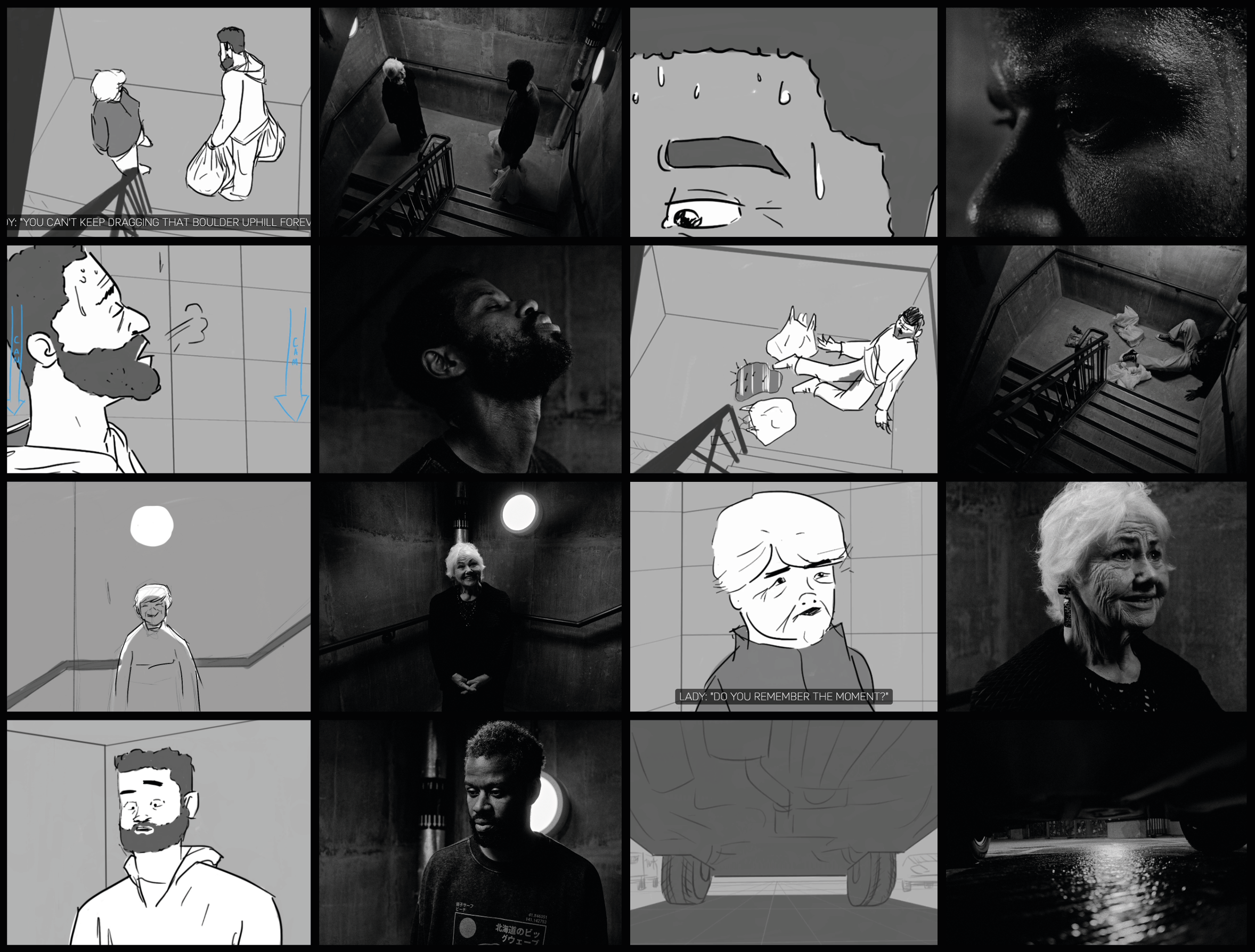
Storyboarding was a vital part of the process. With a background in animation production, the ability to create clear, detailed boards was essential in communicating the film’s vision, from the initial financing pitch through to key Heads of Department, and ultimately formed a foundation for its success.
Everyone will have a different idea of what the script may describe, but the storyboard ensured we were all on the same page from the start of production.
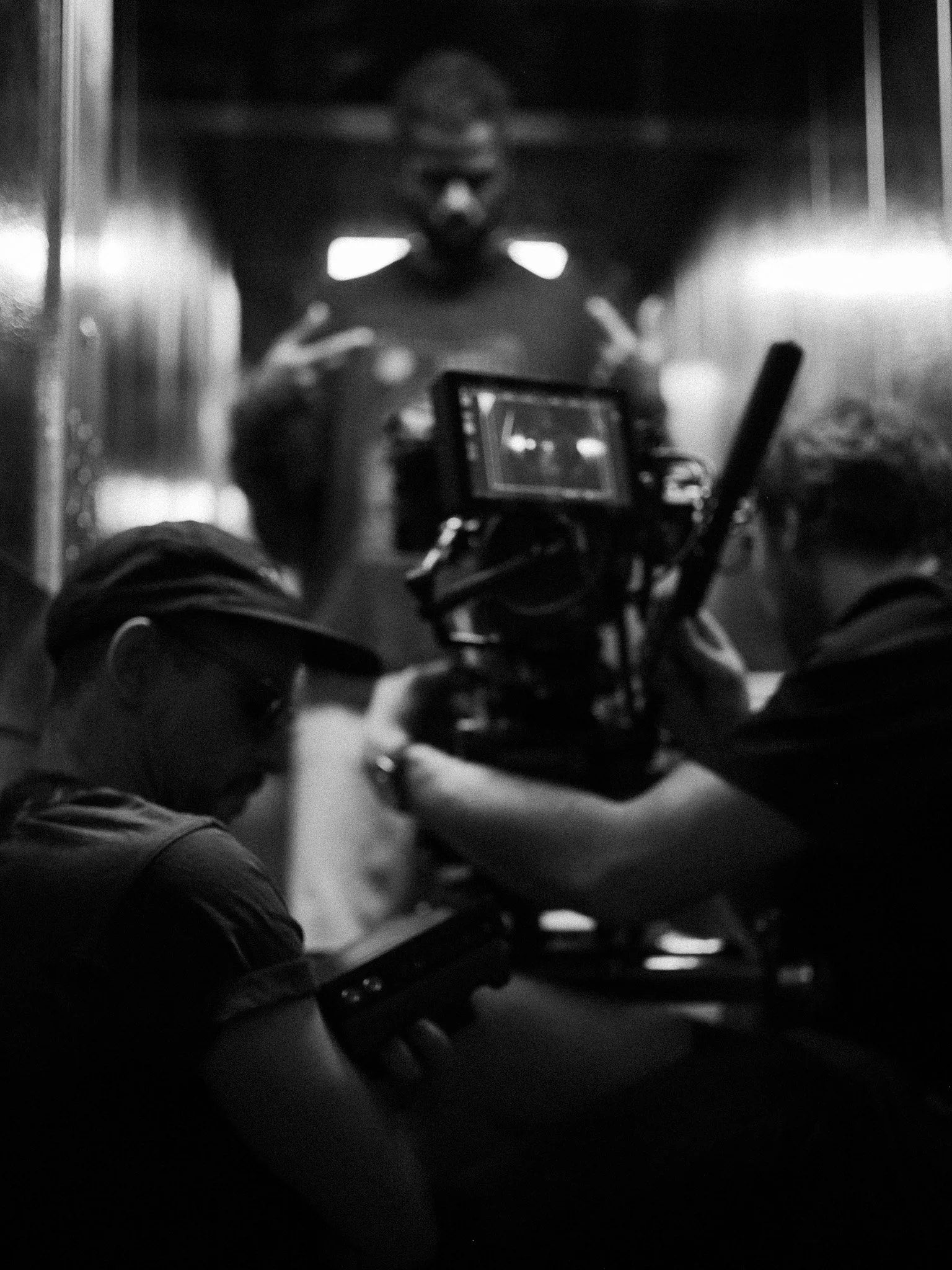
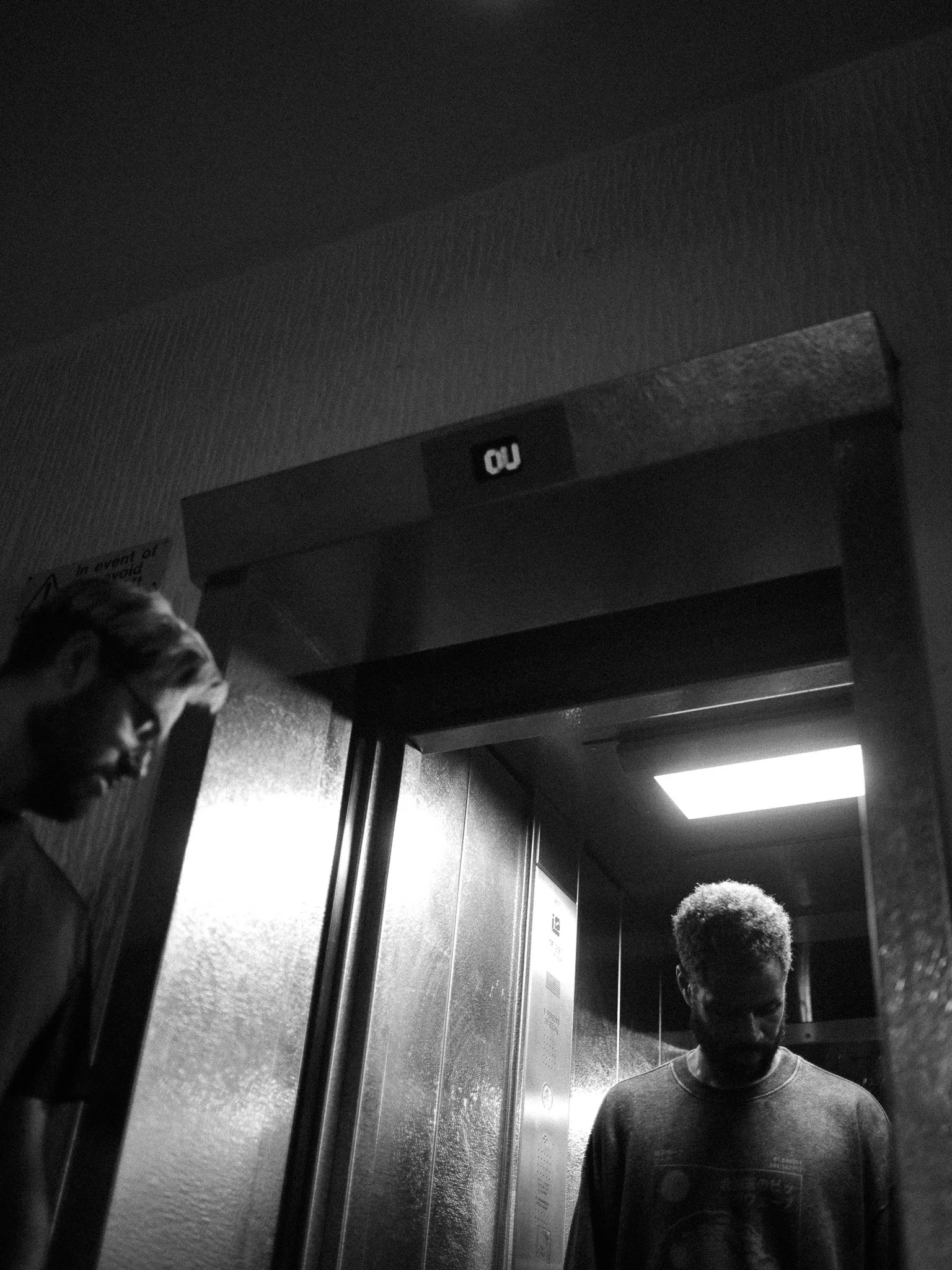
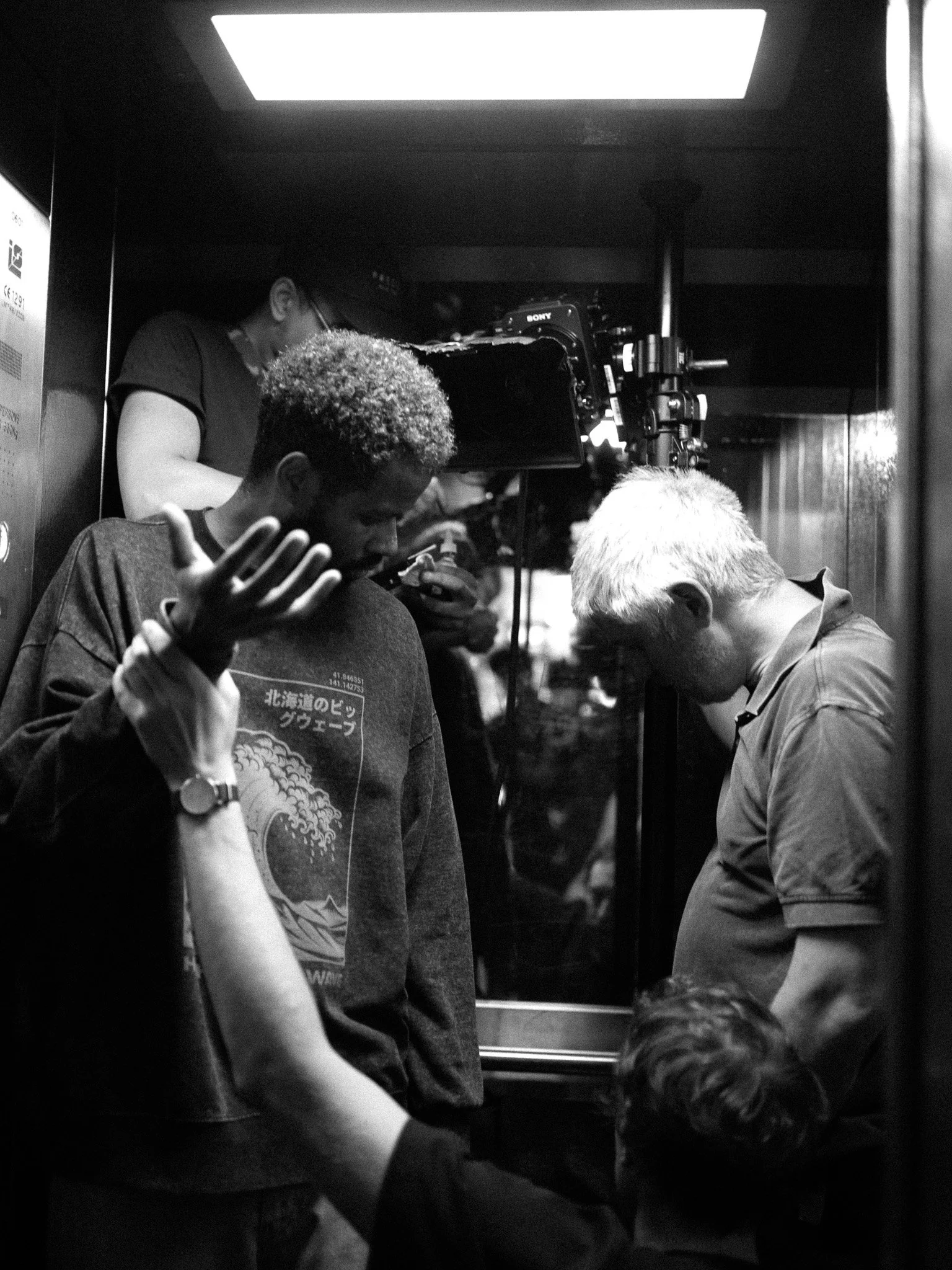
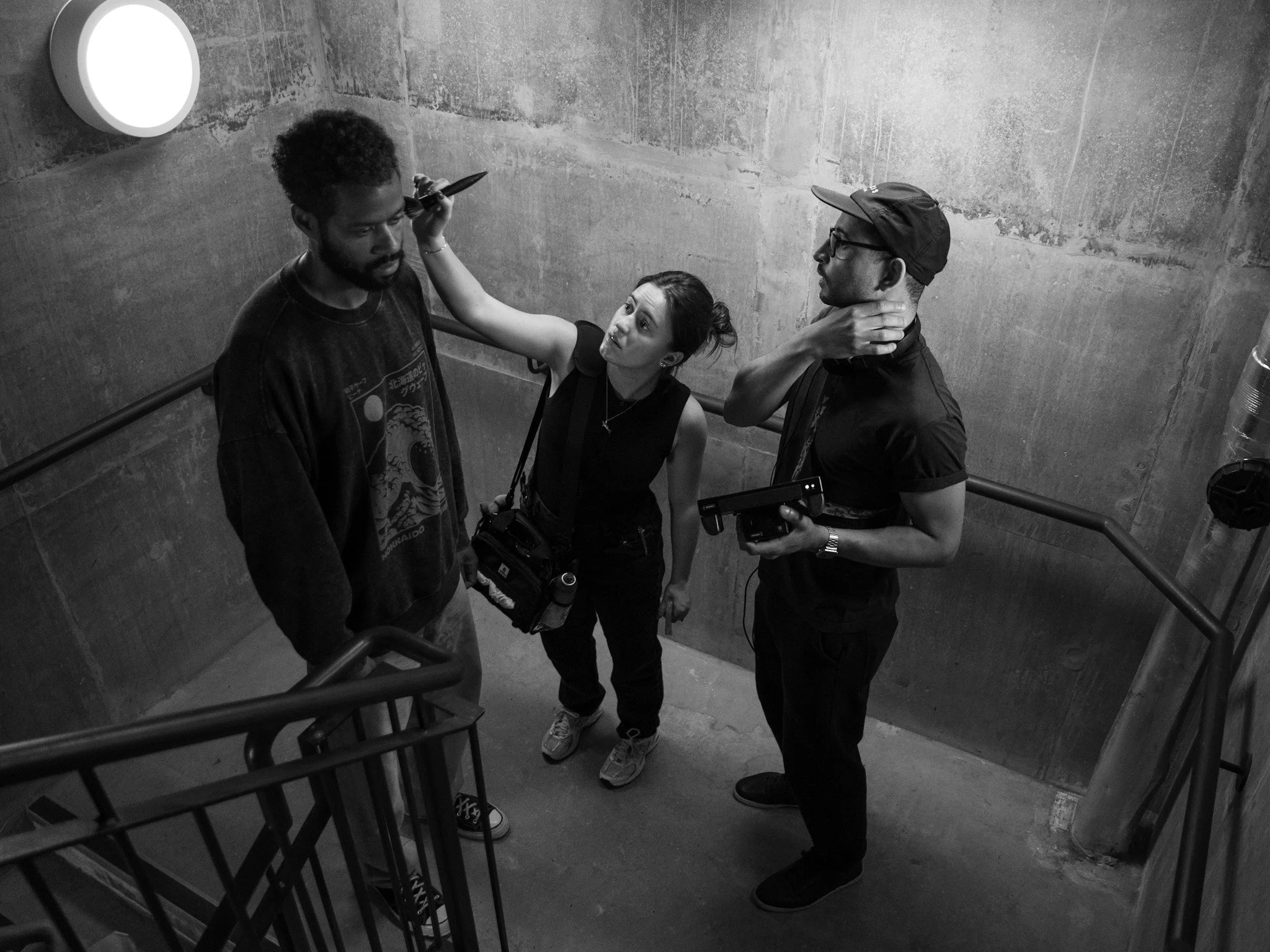
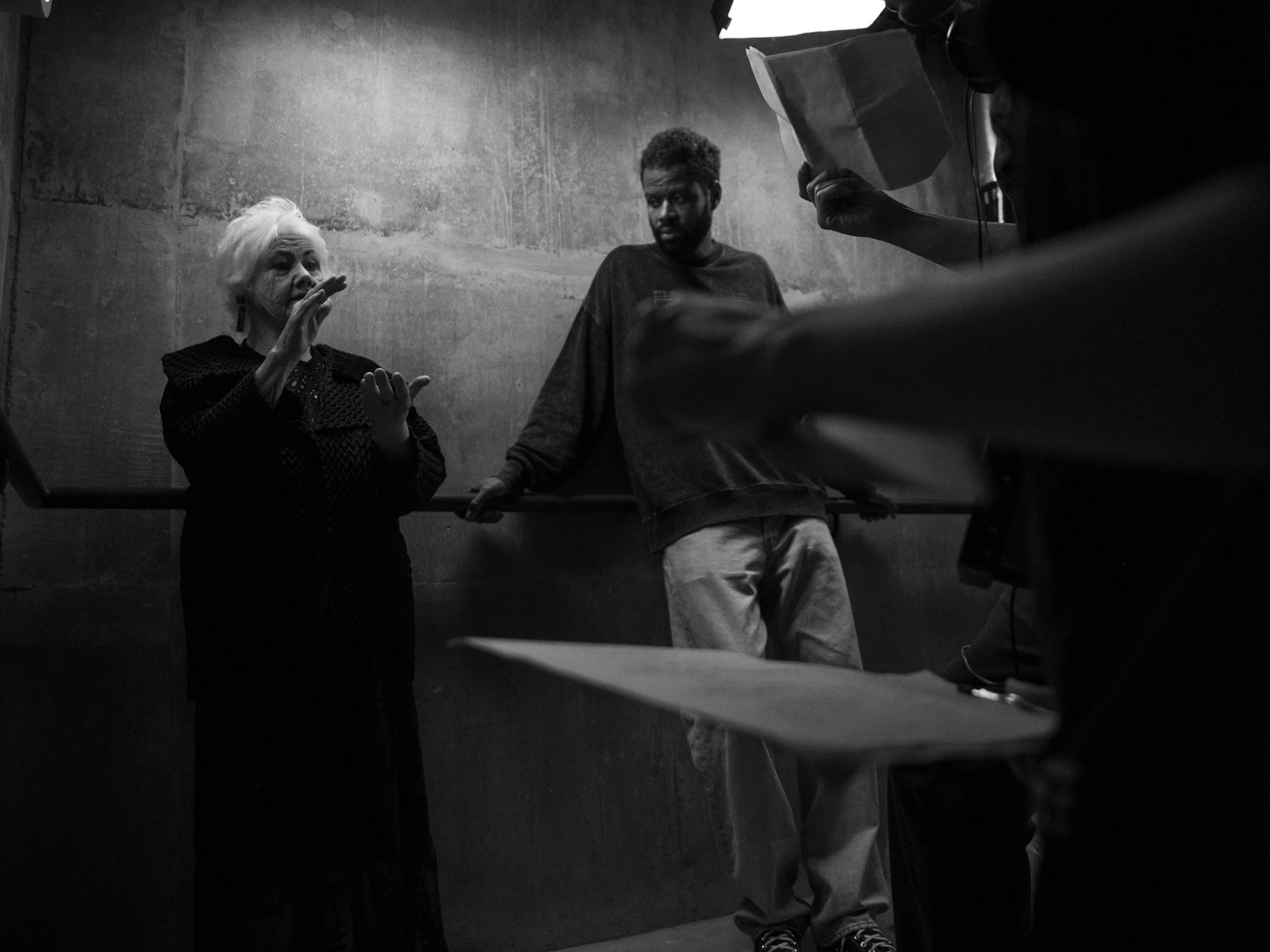
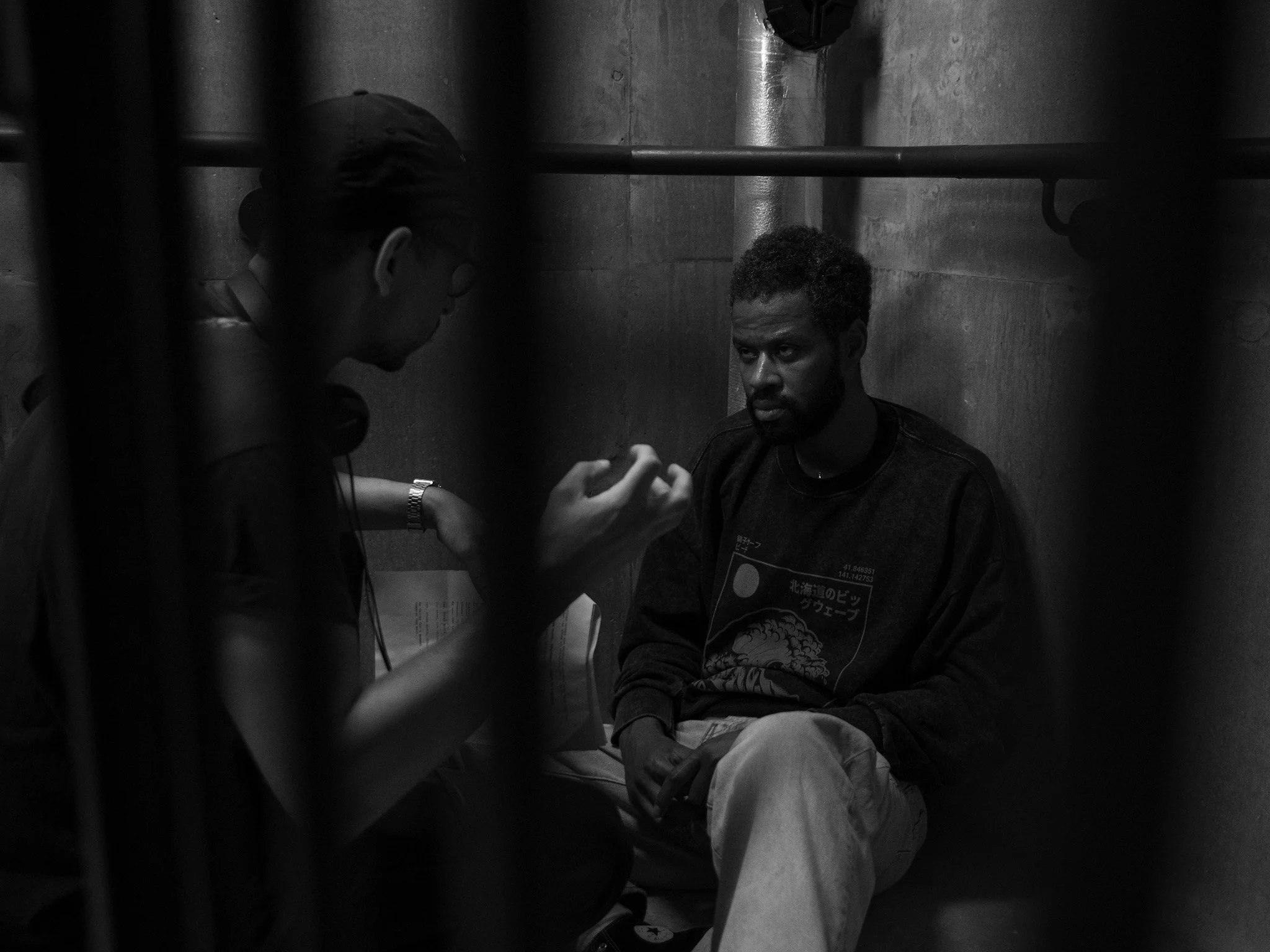
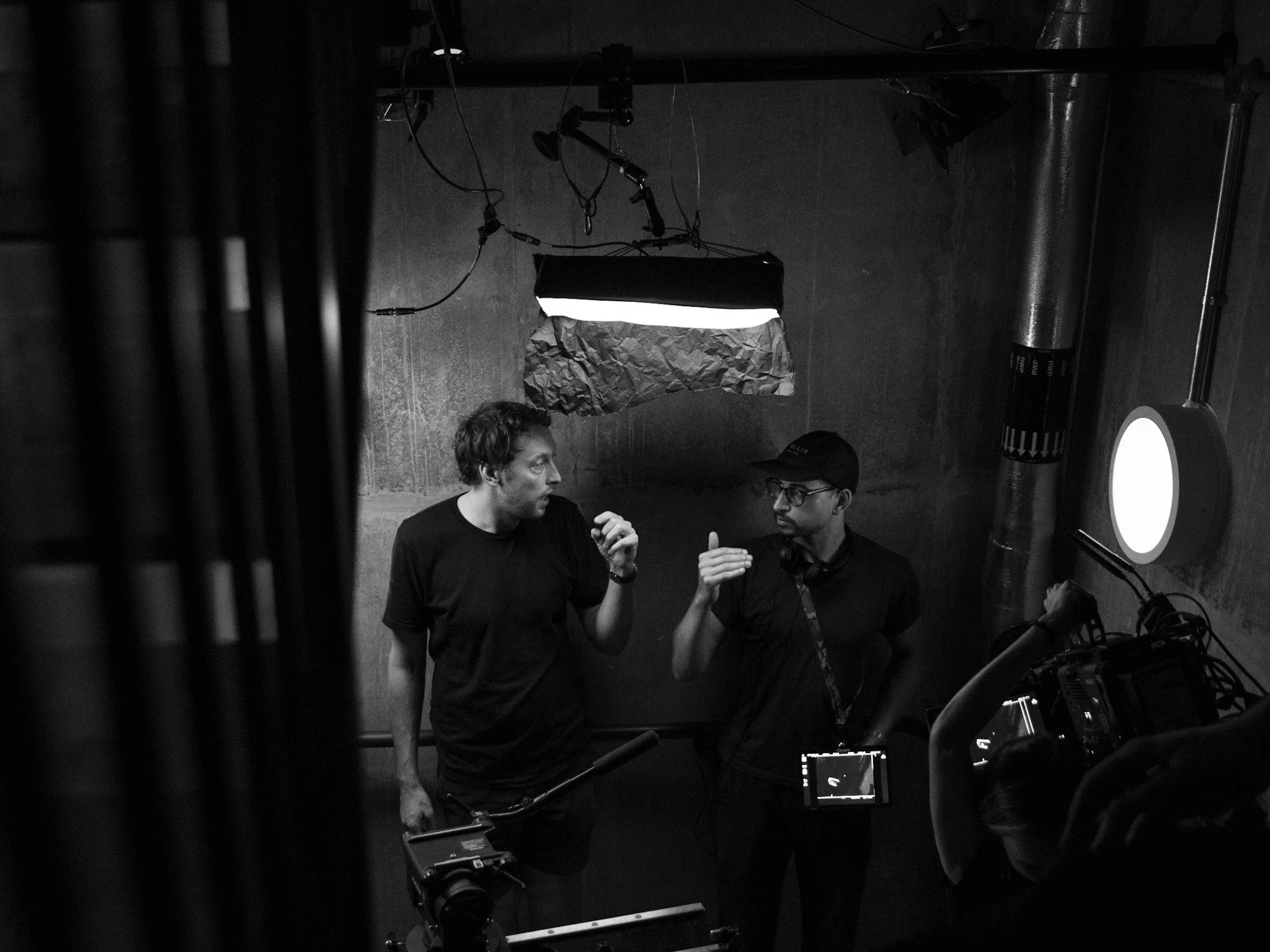
Q&A
HOW WERE YOU ABLE TO FUND THE PROJECT?
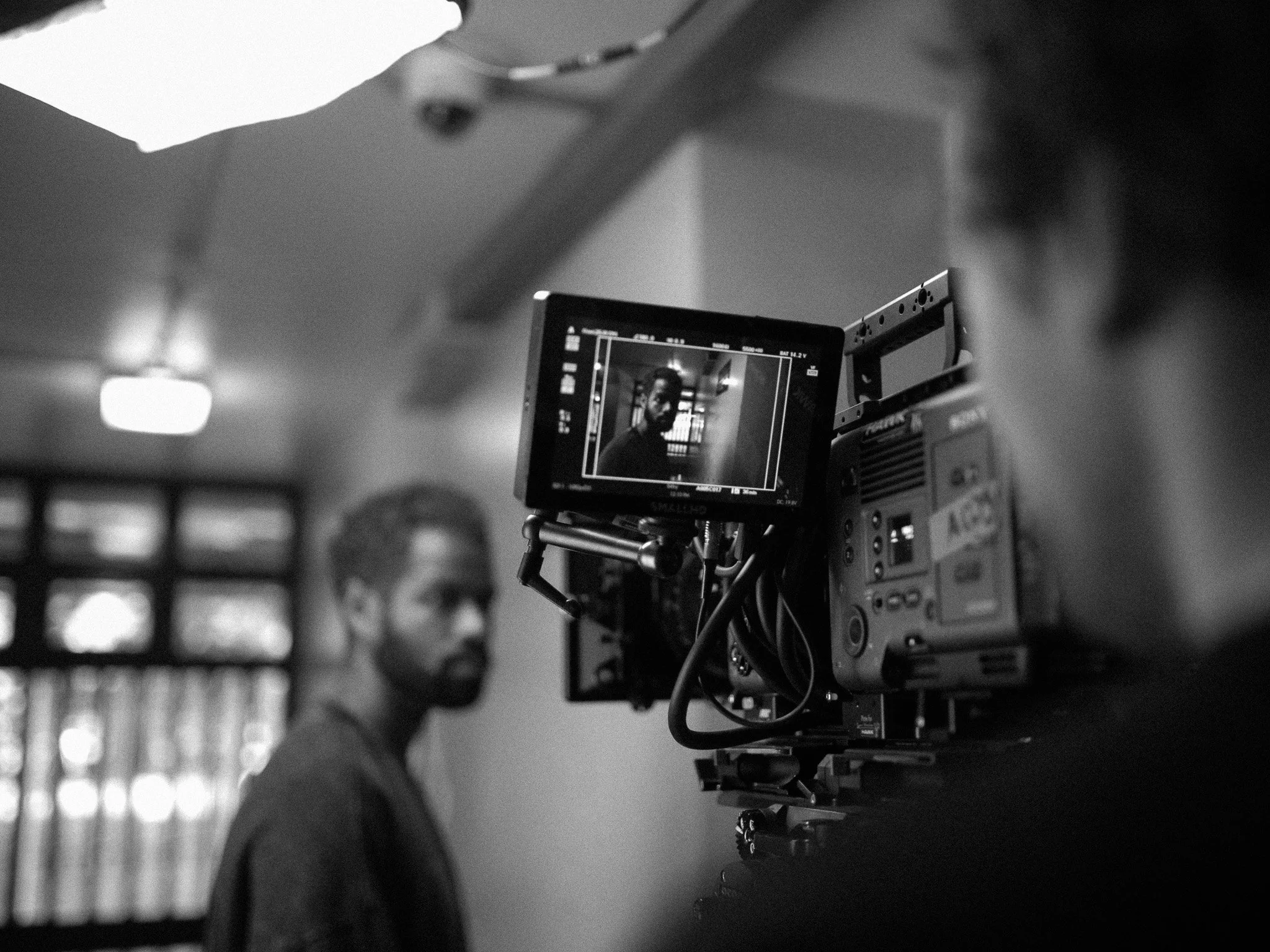
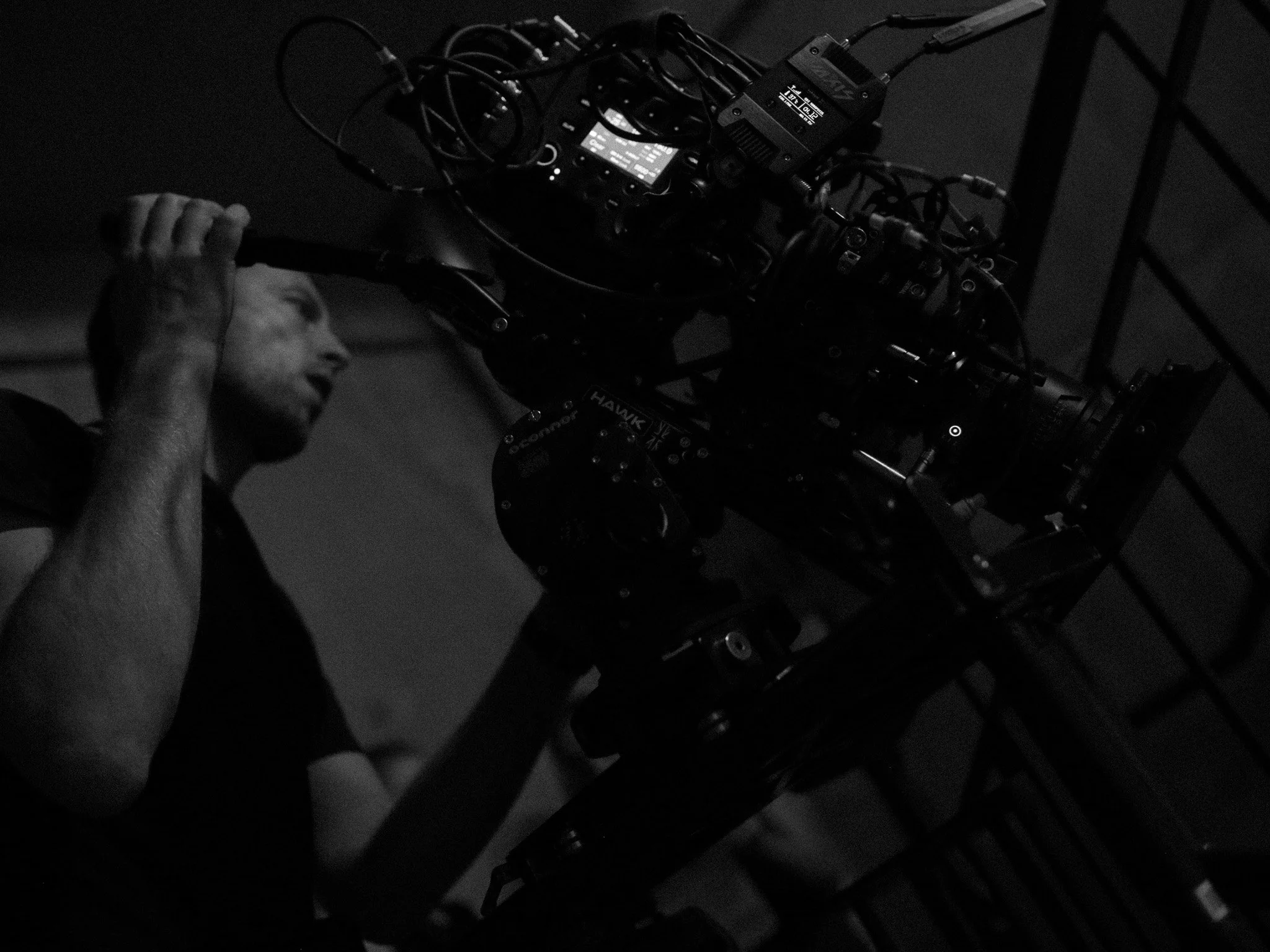
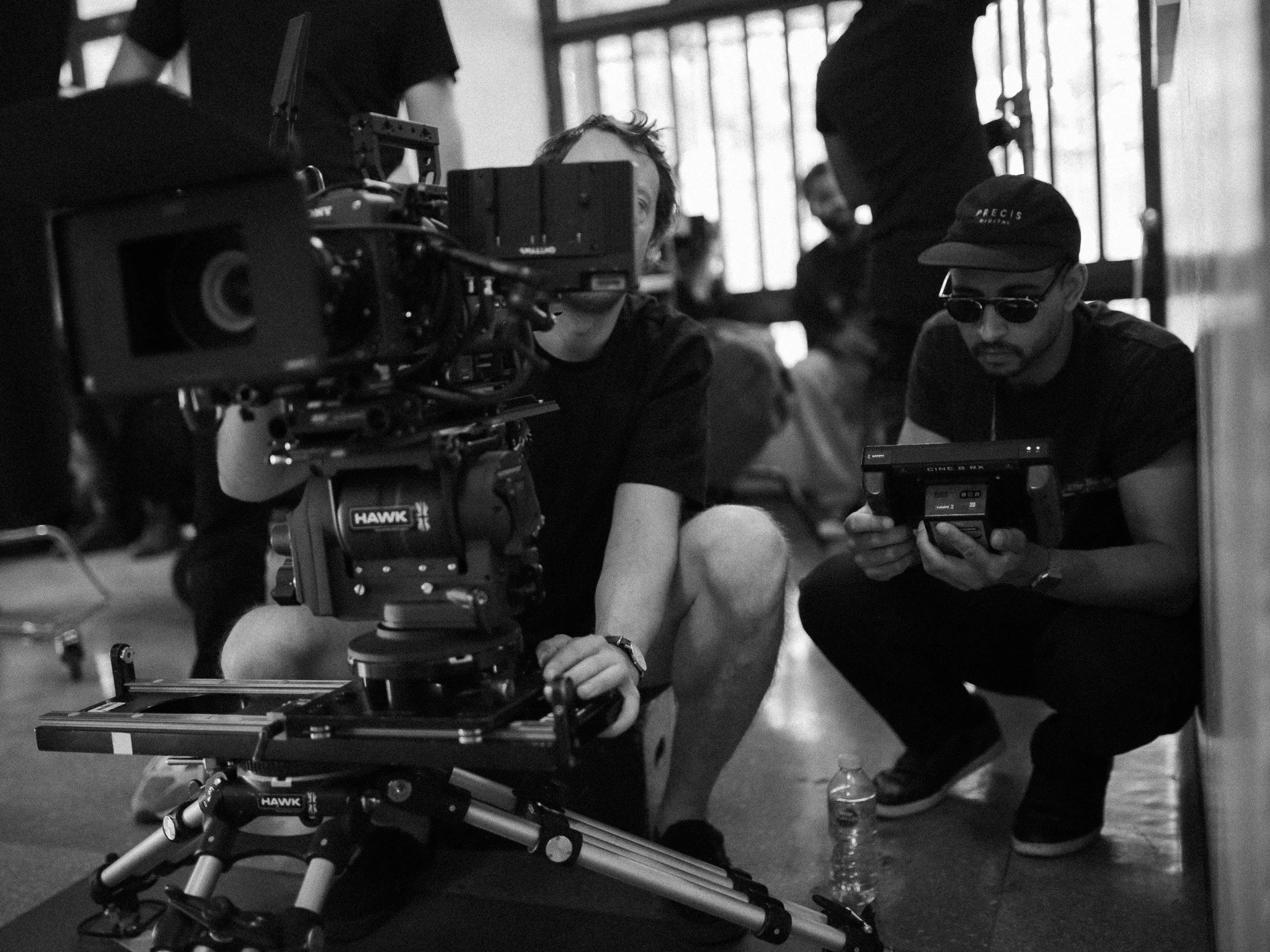
My alma mater launched a funding scheme called Funding Futures, offering £5k to alumni. I matched that funding personally to fully realise the vision. Thanks to the strength of the team and their connections, a lot of elements were heavily discounted or even free—including incredible support from Hawk London, who provided the camera body and lenses.
WHAT WAS YOUR INSPIRATION FOR THE FILM?
My relationship to Small Spaces comes from the idea that many of us carry unresolved childhood trauma into adulthood, often without realising how it shapes our behaviour—usually at a cost. The film explores how unaddressed trauma can quietly restrict a person’s world to the point where even something as simple as socialising, doing taxes, or stepping into a lift can feel overwhelming. Claustrophobia felt like the most appropriate metaphor to convey that sense of restriction, while also serving as an effective vehicle for horror.
WHY BLACK AND WHITE AND 4:3 ASPECT RATIO?
I wanted to visually reinforce the film’s sense of claustrophobia from the outset. Stripping away colour removes a layer of comfort, while the use of shadow narrows what the audience can see and feel. The 4:3 aspect ratio then physically boxes the protagonist in, limiting space and perspective. Combined, these choices create a constant sense of restriction, allowing the audience to feel the suffocation of someone moving through life with no clear way out. My DP, Karol Jurga, immediately understood the vision and enhanced it far beyond my expectations, turning this claustrophobic thriller into a visual spectacle.
HOW LONG DID THE PROJECT TAKE?
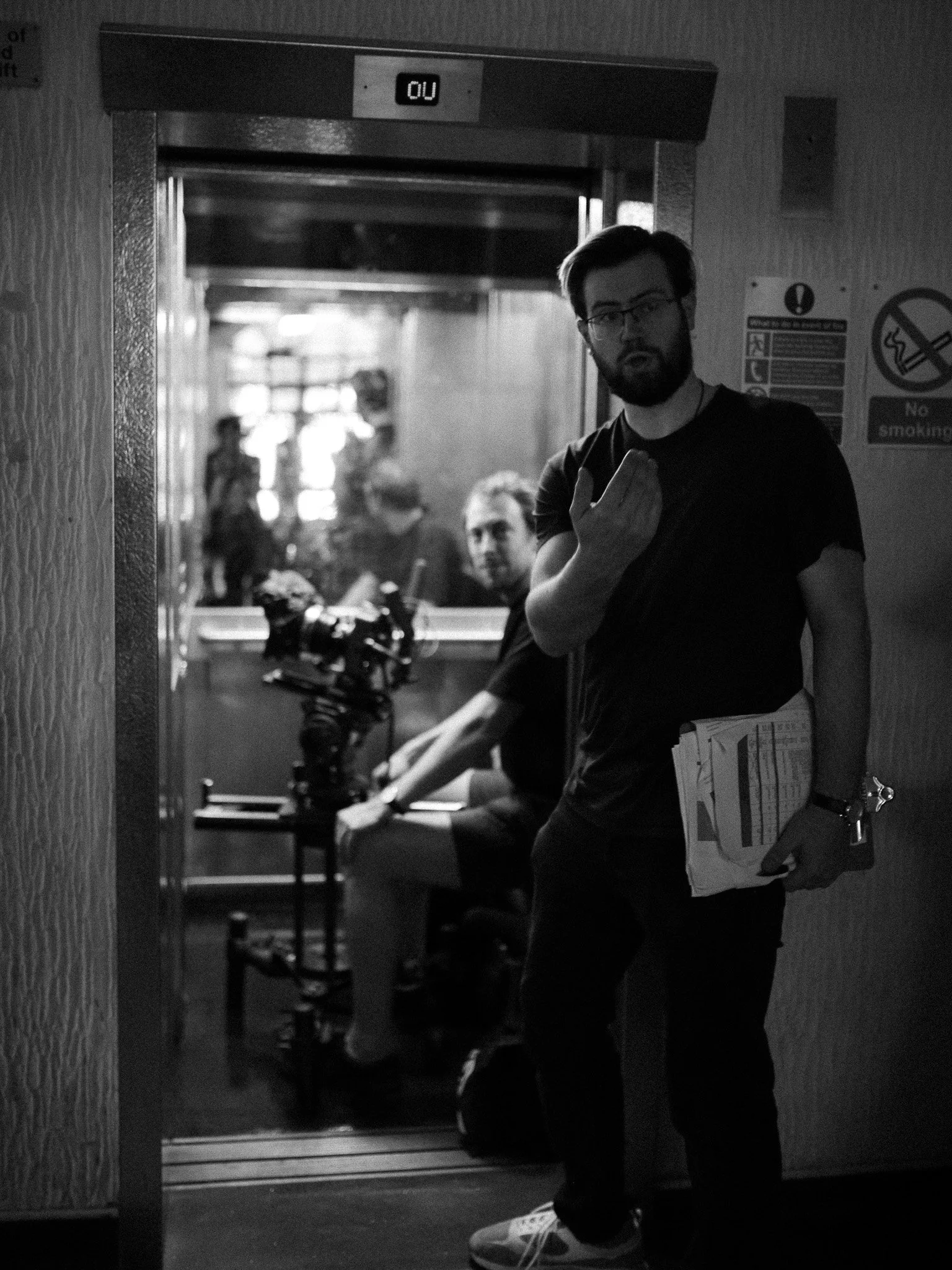
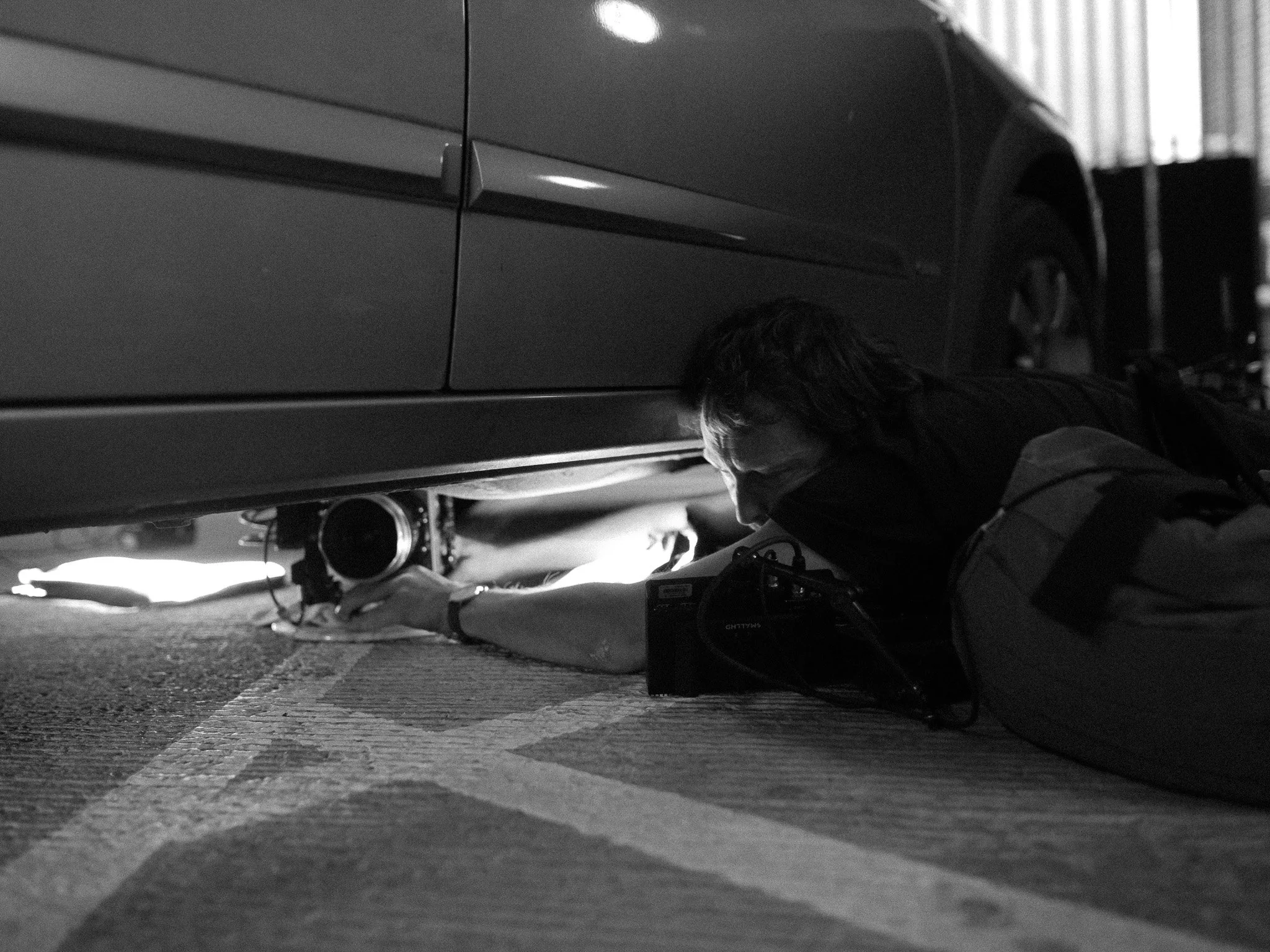
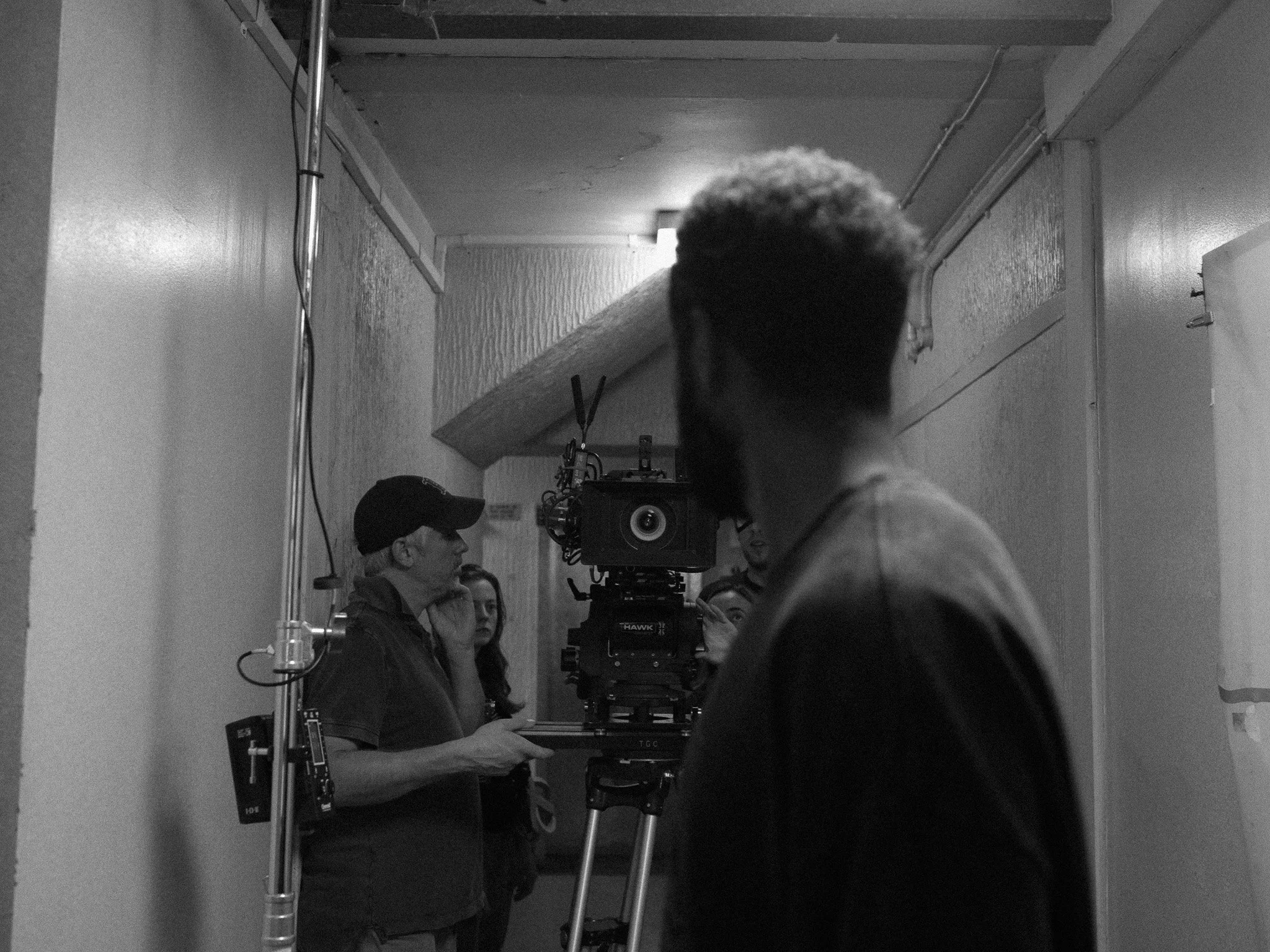
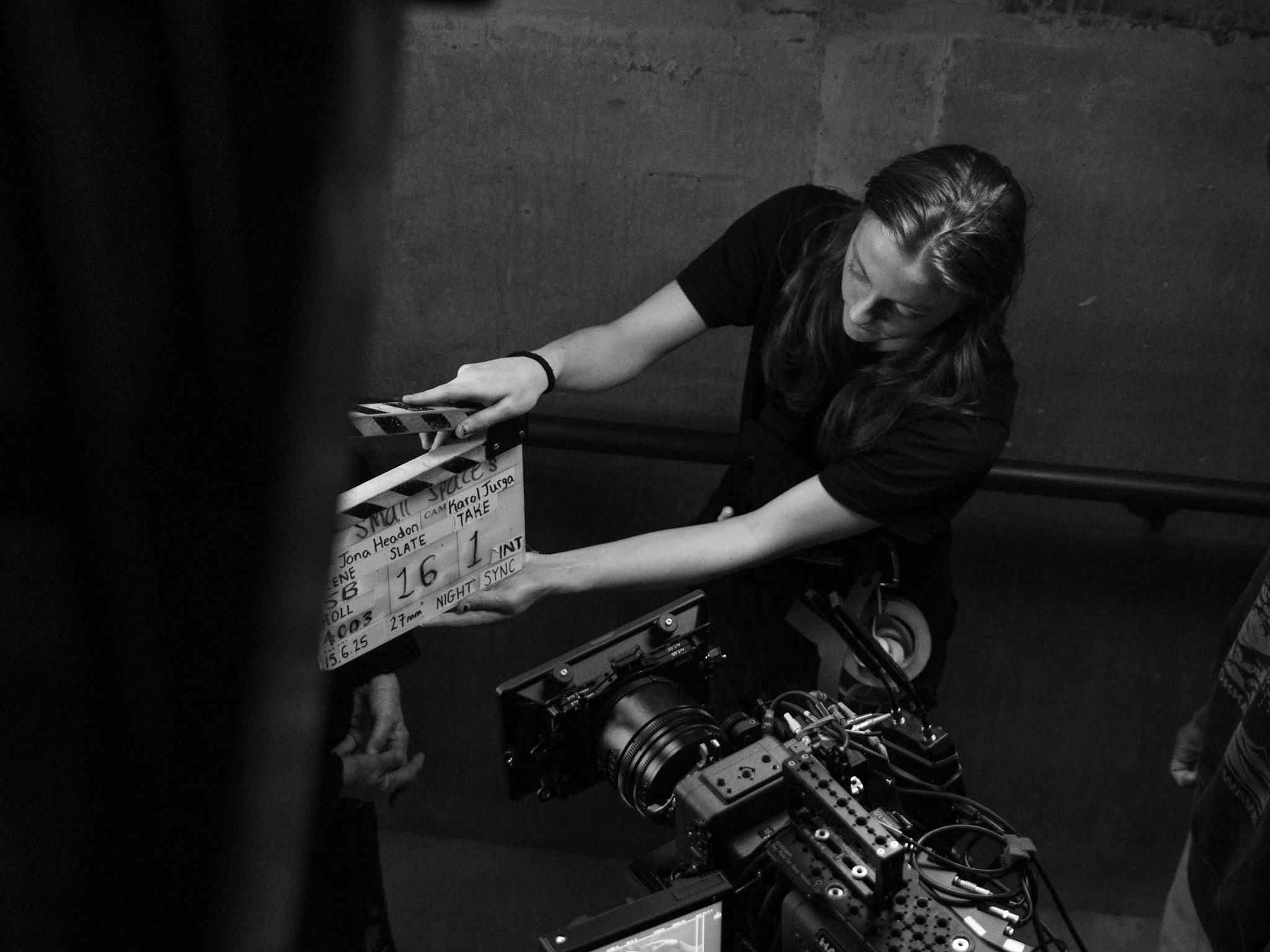
I’d been sitting on the script since 2023, intending to self-fund it one day, then suddenly, it was all systems go. From pitch to completion, it took one year. One month was spent prepping and assembling the team for a three-day shoot (which would have been impossible without my incredible producer Indiana Andrews!) And the rest of the time was spent in post.
WHAT IS YOUR GOAL FOR THE FILM?
I wanted to explore the idea that fear is necessary, even useful, but it’s not something we should live by. It’s important to recognise and confront our fears before they reach the point of paralysis. Everything we want sits on the other side of fear. That idea was a big driving force in getting me into the director’s chair.
WHAT WAS YOUR FAVOURITE PART OF PRODUCTION?
Seeing the vision come to life on set was incredible, but post-production was especially rewarding, as that is where everything truly comes together. Collaborating with my composer, Segun Akinola, and sound designer, Sandro Popkhadze, and having them immediately understand the tone, supported by Simon Halsall’s precise edit, was constant reassurance that what I was aiming for was working.